
May
Bone Cutting Instruments: Types and Applications
Table of Contents
Table of Contents
Bone cutting instruments are essential tools in orthopedic, dental, neurosurgical, and trauma procedures. These specialized surgical instruments are designed to cut, shape, trim, and remove bone with maximum precision and control. Surgeons rely on high-quality bone cutting instruments to perform safe and accurate procedures while minimizing tissue damage.
Amois International manufactures premium-quality bone cutting instruments using medical-grade stainless steel to meet the demands of modern healthcare professionals worldwide.
This guide explains the most commonly used bone cutting instruments, their types, and their applications in surgical procedures.
What Are Bone Cutting Instruments?
Bone cutting instruments are surgical tools specifically designed for cutting or reshaping bones during medical procedures. They are widely used in:
- Orthopedic surgery
- Trauma surgery
- Neurosurgery
- Dental surgery
- Veterinary procedures
- Joint replacement surgery
These instruments provide surgeons with precision, strength, and durability during complex surgical operations.
Importance of Bone Cutting Instruments in Surgery
Bone cutting tools play a critical role in modern surgery because they help surgeons:
- Remove damaged bone tissue
- Reshape bones accurately
- Prepare bone surfaces for implants
- Perform fracture repair procedures
- Improve surgical precision
- Reduce trauma to the surrounding tissue
High-quality instruments improve both surgical efficiency and patient outcomes.
Types of Bone Cutting Instruments
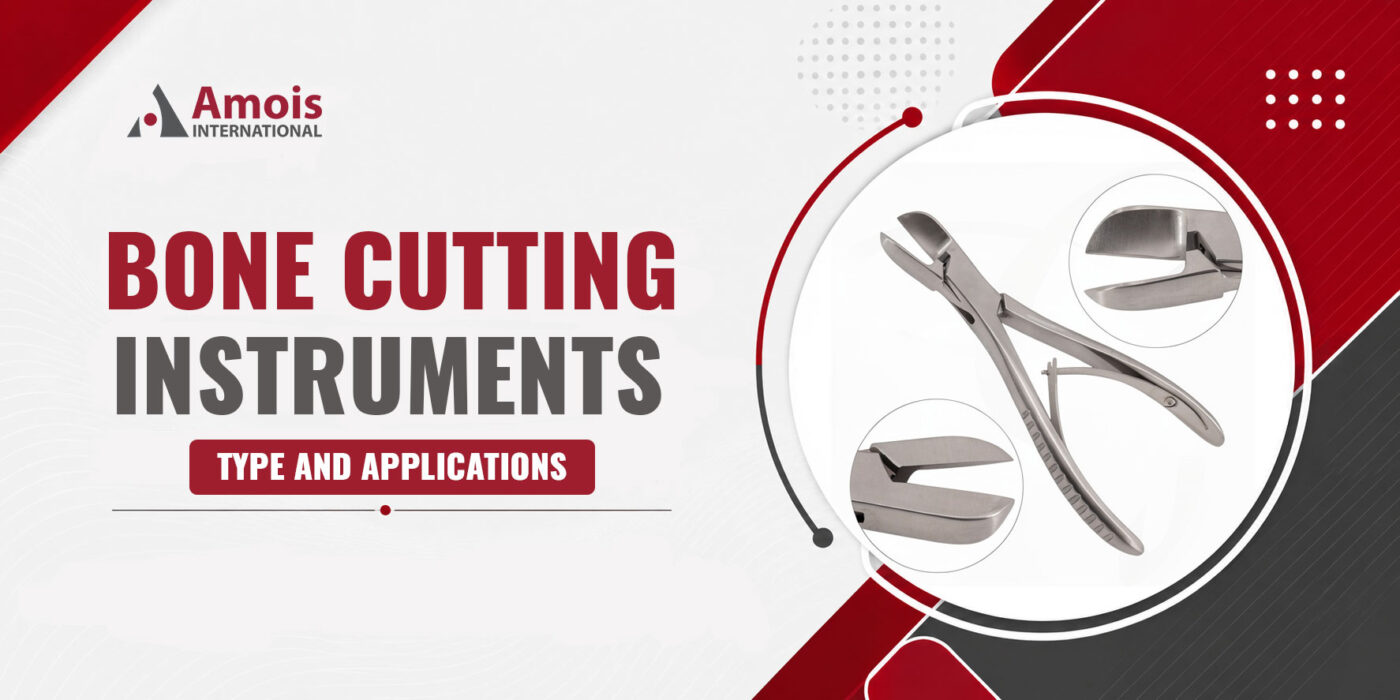
1. Bone Cutter
Bone cutters are heavy-duty instruments used to cut and trim bones during orthopedic procedures.
Applications
- Fracture surgery
- Bone reshaping
- Orthopedic reconstruction
- Trauma surgery
Features
- Sharp cutting jaws
- Durable stainless steel construction
- Strong grip and leverage
Bone cutters are among the most commonly used orthopedic surgical instruments.
2. Osteotome
An osteotome is a chisel-like surgical instrument used for precise bone cutting and shaping.
Common Uses
- Joint surgery
- Bone grafting
- Orthopedic reconstruction
- Dental implant procedures
Advantages
- Precision cutting
- Controlled surgical performance
- Reduced bone damage
Osteotomes are widely used when delicate bone shaping is required.
3. Surgical Chisel
Surgical chisels are used with mallets to cut or carve bone structures.
Applications
- Orthopedic surgery
- Neurosurgery
- Dental bone procedures
- Bone remodeling
Features
- Flat sharp blade
- Strong surgical durability
- Precision bone shaping
4. Gigli Saw
The Gigli saw is a flexible wire saw used for bone cutting procedures.
Common Procedures
- Amputations
- Cranial surgery
- Orthopedic trauma surgery
Benefits
- Flexible operation
- Smooth bone cutting
- Easy handling in confined surgical areas
5. Bone Rongeur
Bone rongeurs are designed to cut and remove small pieces of bone.
Uses
- Spine surgery
- Orthopedic procedures
- Neurosurgical operations
Advantages
- Strong cutting performance
- Precise bone removal
- Excellent surgical control
Bone rongeurs are essential in procedures requiring detailed bone trimming.
6. Bone Saw
Bone saws are powerful instruments used for cutting large bone sections.
Types of Bone Saws
- Manual bone saws
- Oscillating bone saws
- Power-driven surgical saws
Applications
- Joint replacement surgery
- Trauma surgery
- Amputation procedures
Features
- Fast cutting action
- High surgical efficiency
- Accurate bone cutting
7. Kerrison Rongeur
Kerrison rongeurs are specialized instruments used mainly in spinal and neurosurgical procedures.
Main Applications
- Spine surgery
- Neurosurgery
- Bone decompression procedures
Benefits
- Fine bone removal
- Precision surgical access
- Improved visibility during surgery
8. Trephine
A trephine is a cylindrical cutting instrument used to remove circular sections of bone.
Uses
- Dental implant surgery
- Bone biopsy procedures
- Neurosurgical operations
Advantages
- Circular precision cutting
- Controlled bone removal
- Reduced tissue trauma
Materials Used in Bone Cutting Instruments
Most bone-cutting instruments are manufactured using:
- Medical-grade stainless steel
- Titanium alloys
- Tungsten carbide inserts
These materials provide:
- Corrosion resistance
- High durability
- Long-lasting sharpness
- Sterilization compatibility
Applications of Bone Cutting Instruments
Bone-cutting instruments are widely used in various medical specialties.
Orthopedic Surgery
Used for fracture fixation, joint replacement, and trauma repair procedures.
Dental Surgery
Essential for dental implants, jaw surgery, and tooth extraction procedures.
Neurosurgery
Used in cranial and spinal surgical procedures requiring precise bone removal.
Veterinary Surgery
Applied in animal orthopedic and trauma surgeries.
Advantages of High-Quality Bone Cutting Instruments
Using premium-quality surgical instruments offers several benefits.
Improved Surgical Precision
Sharp and precise instruments help surgeons perform accurate procedures.
Better Patient Safety
Reliable tools reduce surgical complications and tissue damage.
Enhanced Durability
High-grade stainless steel instruments maintain performance over time.
Efficient Surgical Procedures
Precision tools improve workflow and reduce operation time.
Why Choose Amois International Bone Cutting Instruments?
Amois International manufactures high-quality orthopedic and bone cutting instruments designed for modern surgical requirements.
Key Advantages
- Premium stainless steel construction
- Precision-engineered instruments
- Strict quality control systems
- OEM & private labeling services
- International export standards
- Wide orthopedic instrument range
The company supplies durable and reliable surgical solutions trusted by healthcare professionals worldwide.
Future Demand for Bone Cutting Instruments
The global market for orthopedic and bone cutting instruments continues growing due to:
- Increasing trauma cases
- Rising orthopedic surgeries
- Growing aging population
- Expansion of healthcare infrastructure
- Advancements in surgical technology
Healthcare providers continue demanding high-performance surgical instruments for improved patient care.
Conclusion
Bone cutting instruments are essential tools in orthopedic, dental, neurosurgical, and trauma procedures. Instruments such as bone cutters, osteotomes, bone saws, and rongeurs provide surgeons with the precision and control required for successful surgical outcomes.
Amois International continues delivering high-quality bone cutting instruments designed for durability, precision, and surgical excellence in global healthcare markets.
Looking for premium-quality bone cutting instruments? Contact Amois International for precision orthopedic, trauma, and surgical bone instruments manufactured to international healthcare standards.
Frequently Asked Questions (FAQs)
1. What are bone-cutting instruments used for?
Bone cutting instruments are used to cut, trim, reshape, and remove bone during surgical procedures.
2. Which surgical instrument is commonly used for bone cutting?
Bone cutters, osteotomes, Gigli saws, and bone saws are commonly used.
3. What material is used for bone-cutting instruments?
Most instruments are made from medical-grade stainless steel or titanium.
4. What is the function of a bone rongeur?
Bone rongeurs are used to remove small pieces of bone during surgery.
5. Are bone-cutting instruments reusable?
Yes, most high-quality bone cutting instruments are reusable after proper sterilization.
6. What surgeries require bone-cutting instruments?
Orthopedic, dental, neurosurgical, spinal, and trauma surgeries commonly require these instruments.
7. Does Amois International manufacture orthopedic instruments?
Yes, Amois International manufactures a wide range of orthopedic and bone-cutting surgical instruments for international healthcare markets.
