
Oct
Complete Guide to Dental Instruments: Names, Uses, and Functions
Dental instruments names and uses are essential topics for dental professionals, dental students, clinic owners, and medical instrument distributors. Understanding the functions of different dental instruments helps healthcare professionals select appropriate tools for examinations, restorative treatments, periodontal care, tooth extraction, and oral surgery.
Dental instruments are designed to support accuracy, control, and efficiency during dental procedures. From basic examination tools such as mouth mirrors and explorers to specialized instruments such as extraction forceps, elevators, and periodontal curettes, each instrument serves a specific purpose in clinical practice.
Amois Surgical provides a range of dental and surgical instruments for professional healthcare markets. Choosing suitable instruments involves evaluating their design, material, workmanship, intended application, and compatibility with appropriate cleaning and sterilization procedures.
What Are Dental Instruments?
Dental instruments are specialized tools used by dental professionals to examine oral structures, diagnose dental conditions, perform treatments, and support surgical procedures. They are available in different shapes, sizes, and designs according to their intended clinical applications.
Learning dental instruments names and uses helps dental students understand instrument identification while enabling clinic managers and purchasing professionals to organize their instrument inventories more effectively.
Dental instruments can generally be divided into several categories, including diagnostic, restorative, periodontal, extraction, endodontic, orthodontic, and oral surgery instruments.
Dental Instruments Names and Uses: 15 Essential Tools
The following dental instruments are commonly used in dental practices, although their specific applications depend on the procedure and the professional’s training.
1. Dental Mouth Mirror
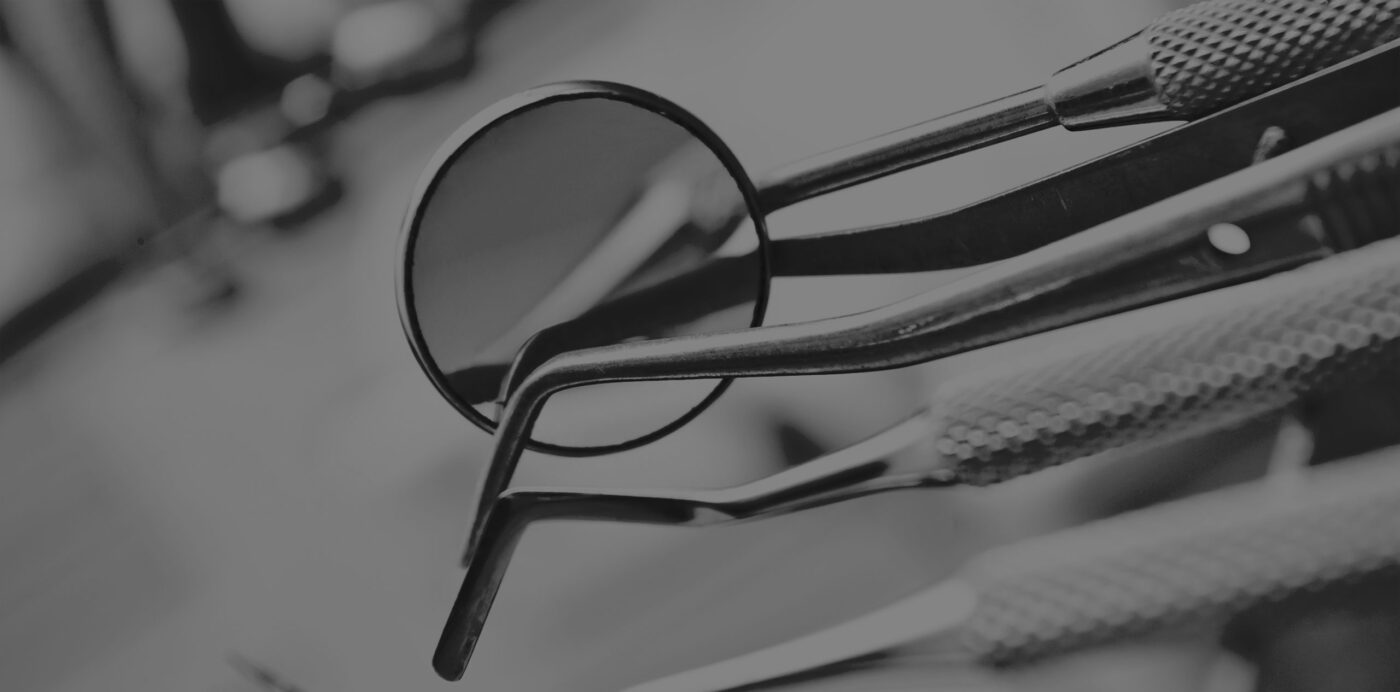
A dental mouth mirror is a basic examination instrument featuring a small reflective surface attached to a handle. It allows clinicians to view areas of the mouth that are difficult to observe directly.
Common uses:
- Examining teeth and oral tissues.
- Retracting cheeks, lips, and the tongue.
- Reflecting light into difficult-to-view areas.
- Supporting routine dental examinations.
2. Dental Explorer
A dental explorer is a handheld diagnostic instrument with a fine working tip. It assists trained dental professionals in examining tooth surfaces and identifying irregularities during clinical assessments.
Common uses:
- Examining tooth surface characteristics.
- Assessing accessible areas of dental restorations.
- Supporting diagnostic examinations.
- Identifying areas that require further evaluation.
3. Periodontal Probe
A periodontal probe is a measuring instrument with calibrated markings used to assess periodontal tissues. Its markings help dental professionals measure the depth of the gingival sulcus or periodontal pockets.
Common uses:
- Measuring periodontal pocket depth.
- Assessing gum health.
- Recording periodontal examination findings.
- Monitoring periodontal conditions over time.
4. Dental Cotton Pliers
Dental cotton pliers, also known as cotton forceps, are slender instruments designed to grasp and transfer small materials within the oral cavity.
Common uses:
- Placing and removing cotton pellets.
- Handling small dental materials.
- Transferring items to and from the treatment area.
- Supporting routine examination and restorative procedures.
5. Dental Scaler
A dental scaler is an instrument used by trained dental professionals to remove deposits from tooth surfaces, particularly in areas where its design is appropriate.
Common uses:
- Removing supragingival calculus.
- Supporting professional dental cleaning.
- Accessing deposits around tooth surfaces.
- Maintaining periodontal health as part of professional care.
6. Periodontal Curette
A periodontal curette features a specially designed working end for periodontal instrumentation. Different designs are available for particular tooth surfaces and treatment requirements.
Common uses:
- Removing deposits from appropriate tooth surfaces.
- Supporting subgingival instrumentation.
- Assisting with periodontal debridement.
- Accessing selected areas around teeth and roots.
7. Dental Extraction Forceps
Dental extraction forceps are instruments designed to grasp and remove teeth during indicated extraction procedures. Their beak shapes and handle designs vary according to tooth anatomy and clinical requirements.
Common uses:
- Grasping teeth during extraction.
- Supporting controlled tooth removal.
- Providing a suitable grip for different tooth types.
- Assisting dental professionals during oral surgery.
8. Dental Elevator
A dental elevator is a hand instrument used to assist with tooth luxation and elevation during extraction procedures. Different working-end designs accommodate different clinical situations.
Common uses:
- Supporting tooth luxation before extraction.
- Assisting with root elevation.
- Helping mobilize selected teeth or root fragments.
- Supporting extraction procedures when clinically indicated.
9. Periosteal Elevator
A periosteal elevator is an oral surgery instrument used to elevate and reflect the periosteum and associated soft tissues from underlying bone when required during a procedure.
Common uses:
- Elevating mucoperiosteal flaps.
- Supporting access to surgical sites.
- Retracting and reflecting appropriate soft tissues.
- Assisting during selected oral surgery procedures.
10. Dental Needle Holder
A dental needle holder is a surgical instrument designed to grasp and control a suturing needle during wound closure.
Common uses:
- Holding suturing needles.
- Supporting controlled needle placement.
- Assisting with suturing during oral surgery.
- Providing a secure grip during appropriate closure procedures.
11. Dental Scissors
Dental scissors are used for cutting selected materials and tissues according to their specific design and intended application. Different patterns are available for clinical and surgical use.
Common uses:
- Cutting sutures.
- Trimming appropriate dental materials.
- Supporting soft-tissue procedures with suitable surgical patterns.
- Assisting with selected clinical tasks.
12. Dental Bone Rongeur
A dental bone rongeur is a cutting instrument designed to remove or trim small amounts of bone during indicated oral surgical procedures.
Common uses:
- Trimming selected areas of bone.
- Supporting alveolar bone contouring.
- Assisting with appropriate oral surgery procedures.
- Removing small bone fragments when clinically indicated.
13. Dental Bone File
A dental bone file is an instrument used to smooth and refine selected bone surfaces during oral surgery.
Common uses:
- Smoothing irregular bone edges.
- Refining accessible bone surfaces.
- Supporting alveolar ridge contouring.
- Finishing selected bone procedures.
14. Dental Composite Instrument
A dental composite instrument is designed to place, shape, and adapt restorative composite materials during restorative procedures. Working-end designs vary according to the intended technique.
Common uses:
- Carrying composite restorative material.
- Adapting material within a prepared cavity.
- Contouring restorative surfaces.
- Supporting the placement of direct composite restorations.
15. Dental Implant Instruments
Dental implant instruments include specialized tools used during different stages of implant treatment. Depending on the system, these may include implant drivers, surgical guides, torque wrenches, depth gauges, and other compatible instruments.
Common uses:
- Supporting implant site preparation.
- Measuring selected dimensions during treatment.
- Handling compatible implant components.
- Assisting with placement and adjustment according to the implant system’s instructions.
Key Categories of Dental Instruments
Understanding dental instruments names and uses becomes easier when instruments are grouped according to their primary functions.
Diagnostic Instruments
Diagnostic instruments help dental professionals examine teeth, gums, and oral tissues. Common examples include mouth mirrors, explorers, and periodontal probes.
Periodontal Instruments
Periodontal instruments are used for professional assessment and treatment of periodontal conditions. Scalers and curettes are examples of instruments designed for these applications.
Restorative Instruments
Restorative instruments support the placement, adaptation, and shaping of dental restorative materials. Composite instruments, burnishers, carvers, and condensers are examples.
Extraction and Oral Surgery Instruments
This category includes extraction forceps, dental elevators, periosteal elevators, needle holders, and selected bone instruments. The appropriate instrument depends on the procedure and clinical requirements.
Endodontic Instruments
Endodontic instruments are used during procedures involving the dental pulp and root canal system. Examples include files, reamers, spreaders, and pluggers, with compatibility and use depending on the treatment system.
Orthodontic Instruments
Orthodontic instruments support procedures involving orthodontic appliances and wires. Examples include orthodontic pliers, ligature cutters, and selected wire-bending instruments.
Benefits of Choosing Appropriate Dental Instruments
Selecting suitable dental instruments supports effective clinical workflows and appropriate instrument handling.
Improved Instrument Control
An instrument with a suitable design and working end can help trained professionals maintain control during the intended procedure.
Efficient Clinical Workflows
Having the appropriate instruments organized and available helps dental teams prepare for procedures and manage their clinical inventory.
Durability and Repeated Use
Reusable instruments manufactured from appropriate materials and maintained according to their instructions can support repeated professional use.
Easier Instrument Identification
Clearly organized instrument sets help dental professionals and purchasing teams identify the tools needed for different clinical applications.
How to Choose High-Quality Dental Instruments
When purchasing dental instruments, dental clinics, distributors, and importers should consider several important factors.
- Material: Confirm the material and its suitability for the intended application.
- Workmanship: Check the finish, alignment, working edges, joints, and overall construction.
- Ergonomics: Consider grip comfort, balance, and handling requirements.
- Intended use: Match the instrument design to the clinical application.
- Cleaning and sterilization: Verify that reusable instruments are compatible with the manufacturer’s specified reprocessing instructions.
- Quality documentation: Request relevant product specifications and applicable documentation from the supplier.
- Packaging: Check that packaging protects the instruments during storage and transportation.
- Supplier reliability: Evaluate communication, product consistency, lead times, and the ability to support repeat orders.
International buyers should also confirm applicable regulatory requirements for their destination market before placing an order.
Amois Surgical: Dental Instruments for Professional Markets
Amois Surgical supplies dental and surgical instruments for healthcare professionals, distributors, wholesalers, and international buyers. Its product offering can support a range of dental requirements, subject to current product availability and specifications.
When selecting dental instruments for your business, it is important to identify the required instrument patterns, dimensions, quantities, and intended applications before requesting a quotation.
Amois Surgical aims to support buyers with product information and quotation assistance for suitable instrument requirements.
Explore the Surgical Instruments Collection or contact Amois Surgical to discuss your dental instrument requirements.
For product inquiries and bulk purchasing, buyers can request details about available instruments, specifications, packaging, and delivery options.
Cleaning, Sterilization, and Instrument Care
Reusable dental instruments must be cleaned, inspected, packaged, and sterilized according to their manufacturer’s instructions and applicable infection-prevention requirements.
Dental professionals should follow these general principles:
- Remove contamination and clean instruments using an appropriate validated process.
- Inspect instruments for damage, corrosion, wear, or impaired function.
- Follow the manufacturer’s instructions for compatible cleaning and sterilization methods.
- Package instruments appropriately when required for the selected sterilization process.
- Store processed instruments in conditions that preserve package integrity.
- Follow local infection-prevention policies and applicable professional guidance.
Not every dental instrument uses the same reprocessing method. Always confirm the instructions for the specific product rather than assuming that all instruments are suitable for the same sterilization cycle.
For further guidance, consult the U.S. Centers for Disease Control and Prevention’s dental infection prevention resources.
Why Understanding Dental Instruments Names and Uses Matters
Understanding dental instruments names and uses is essential for identifying the right tools for different dental procedures. From routine examinations to extractions, restorative treatments, and implant surgery, each instrument has a specific design and intended function.
Dental mirrors, periodontal probes, extraction forceps, and specialized implant instruments help dental professionals perform clinical tasks with appropriate access, visibility, and control. Selecting high-quality instruments with suitable designs and durable construction can support efficient workflows and consistent clinical use.
Amois Surgical supplies professional dental and surgical instruments for dental clinics, healthcare professionals, distributors, wholesalers, and international buyers. With proper instrument selection, handling, cleaning, sterilization, and maintenance, dental instruments can support reliable performance across a range of clinical applications.
Conclusion
The Dental Instruments Names and Uses guide helps dental professionals understand the essential tools used in examinations, restorative treatments, extractions, and oral surgery. Selecting well-designed dental instruments with appropriate working ends, ergonomic handles, and durable construction can support precision, control, and efficient clinical workflows.
Amois Surgical supplies a range of professional dental and surgical instruments for dental clinics, healthcare professionals, distributors, wholesalers, and international buyers. With proper instrument selection, handling, cleaning, sterilization, and maintenance, dental instruments can support consistent performance and reliable clinical use.
Frequently Asked Questions (FAQs)
1. What are dental instruments used for?
Dental instruments are used for oral examinations, preventive care, restorative treatments, tooth extraction, and other dental procedures.
2. What are the most common dental instruments?
Common dental instruments include mouth mirrors, explorers, periodontal probes, scalers, curettes, extraction forceps, and dental elevators.
3. What is the difference between a dental scaler and a curette?
Scalers and curettes are used to remove deposits from teeth, but their working-end designs differ according to the intended clinical application.
4. What materials are dental instruments made from?
Many reusable dental instruments are manufactured from stainless steel or other materials selected for their intended clinical use.
5. Can dental instruments be sterilized?
Reusable dental instruments should be cleaned and sterilized according to the manufacturer’s instructions and applicable infection-control procedures.
6. What should I consider when purchasing dental instruments?
Consider material quality, design, workmanship, intended application, ease of handling, and the manufacturer’s product specifications.
7. Who supplies professional dental instruments?
Amois Surgical supplies dental and surgical instruments for healthcare professionals, clinics, distributors, wholesalers, and international buyers.
