
Bone Rongeurs in Orthopedic Surgery Explained
Table of Contents
Introduction
Bone Rongeurs in Orthopedic Surgery are specialized surgical instruments used for cutting, trimming, and removing small sections of bone during orthopedic procedures. These instruments play a critical role in trauma, spine, reconstructive, and joint replacement surgeries where precise bone removal is required.
Designed with strong, sharp jaws and powerful grip mechanisms, bone rongeurs in orthopedic surgery allow surgeons to remove bone tissue accurately while minimizing damage to surrounding structures. They are considered essential tools in modern orthopedic operating rooms.
Amois International manufactures high-quality orthopedic surgical instruments including precision-engineered bone rongeurs for hospitals, surgeons, and medical distributors worldwide.
What Are Bone Rongeurs?
Bone rongeurs are heavy-duty surgical instruments used to bite, cut, or nibble away bone tissue. The word “rongeur” comes from the French word meaning “to gnaw,” which describes the instrument’s cutting action.
These instruments are commonly used when:
- Removing damaged bone
- Trimming bone edges
- Enlarging surgical openings
- Preparing bone surfaces
- Performing spinal decompression
Main Functions of Bone Rongeurs
Bone rongeurs are used for:
- Bone cutting and trimming
- Removing small bone fragments
- Bone reshaping
- Debridement procedures
- Access improvement during surgery
They help surgeons perform controlled bone removal with high precision.
Types of Bone Rongeurs
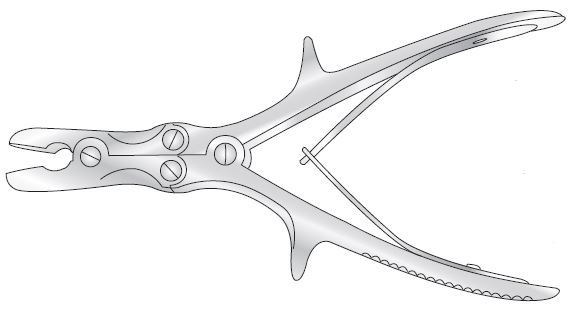
1. Double Action Bone Rongeur
Double action rongeurs provide extra cutting force with less hand pressure.
Features:
- Two-joint mechanism
- Increased cutting power
- Smooth operation
Applications:
- Orthopedic trauma surgery
- Bone reshaping
- Thick bone trimming
Different bone rongeurs in orthopedic surgery are used in trauma, spinal decompression, and reconstructive procedures.
2. Single Action Bone Rongeur
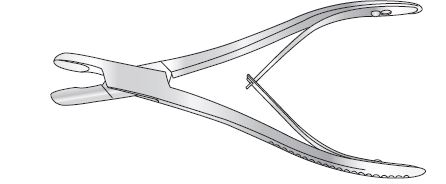
Single action rongeurs use one pivot point for cutting.
Features:
- Simple mechanism
- Precise cutting control
- Lightweight handling
Applications:
- Minor orthopedic procedures
- Controlled bone removal
Different bone rongeurs in orthopedic surgery are used in trauma, spinal decompression, and reconstructive procedures.
3. Kerrison Rongeur
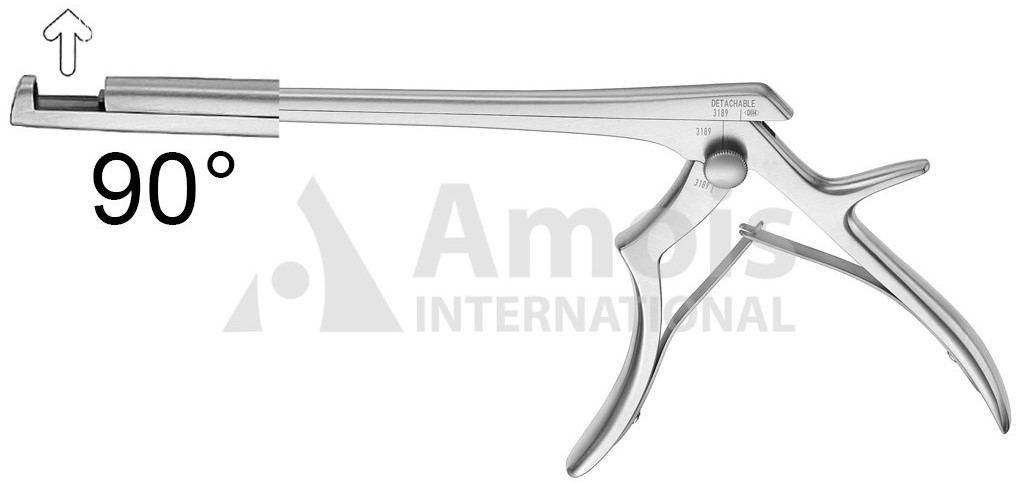
Kerrison rongeurs are commonly used in spine surgery and neurosurgery.
Features:
- Thin footplate design
- Up-biting or down-biting jaws
- Precision cutting tip
Applications:
- Spinal decompression
- Vertebrae trimming
- Removing small bone sections
4. Leksell Rongeur
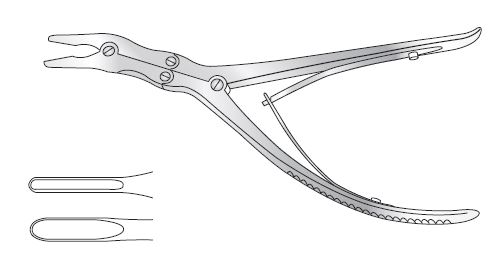
Leksell rongeurs are strong bone-cutting instruments used for larger bone removal.
Features:
- Heavy-duty jaws
- Ergonomic grip
- Durable construction
Applications:
- Orthopedic surgery
- Spine procedures
- Bone trimming
5. Duckbill Rongeur
Duckbill rongeurs have a wide jaw shape for controlled bone removal.
Applications:
- Bone shaping
- Surgical preparation
- Bone edge smoothing
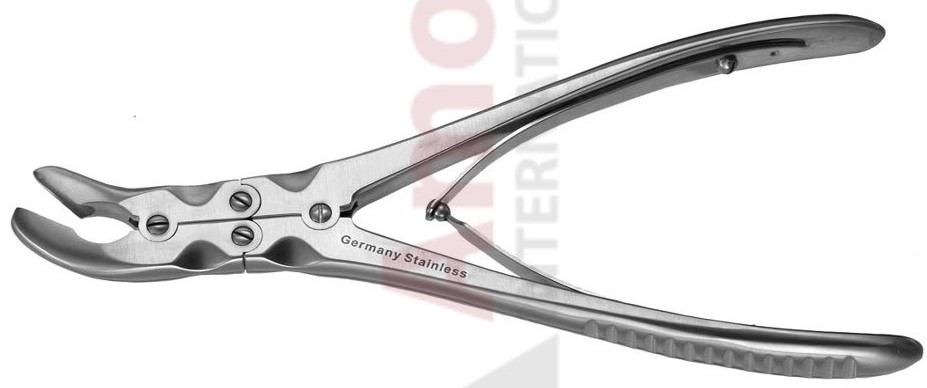
Applications of Bone Rongeurs in Orthopedic Surgery
Bone rongeurs are widely used in different orthopedic procedures.
1. Trauma Surgery
Used for trimming fractured or damaged bone sections.
2. Spine Surgery
Important for decompression and vertebral bone removal.
3. Joint Replacement Surgery
Helps shape bone surfaces before implant placement.
4. Orthopedic Reconstruction
Used in bone reshaping and corrective procedures.
5. Bone Debridement
Removes dead or damaged bone tissue.
Advantages of Bone Rongeurs
High-quality bone rongeurs provide several benefits:
- Precise bone removal
- Strong cutting performance
- Better surgical control
- Reduced tissue trauma
- Improved surgical efficiency
- Durable long-term performance
Materials Used in Bone Rongeurs
Most orthopedic bone rongeurs are made from:
- Medical-grade stainless steel
- Tungsten carbide inserts
- Titanium alloys
Benefits:
- Corrosion resistance
- Long-lasting sharpness
- Sterilization compatibility
- High durability
Important Features of High-Quality Bone Rongeurs
When choosing bone rongeurs, look for:
- Sharp cutting jaws
- Smooth jaw alignment
- Strong locking mechanism
- Ergonomic handle design
- Rust-resistant material
- Precision manufacturing
These features improve performance and surgeon comfort.
How Bone Rongeurs Improve Orthopedic Surgery
Bone rongeurs help surgeons:
- Remove bone safely
- Access difficult surgical areas
- Improve implant fitting
- Reduce procedure time
- Enhance surgical precision
Modern orthopedic surgery depends heavily on reliable bone-cutting instruments.
Why Choose Amois International?
Amois International offers premium-quality bone rongeurs designed for precision orthopedic procedures.
Key Features:
- Precision-engineered instruments
- Durable stainless steel construction
- OEM & private labeling services
- Strict quality control
- Global export standards
Conclusion
High-quality bone rongeurs in orthopedic surgery support better control, efficiency, and patient outcomes. Bone rongeurs are essential orthopedic surgical instruments used for precise bone cutting, trimming, and removal during trauma, spine, and reconstructive surgeries. Their strong jaws, ergonomic design, and cutting precision make them indispensable in modern operating rooms.
Choosing high-quality bone rongeurs improves surgical performance, reduces complications, and supports better patient outcomes.
FAQs
1. What are bone rongeurs used for?
Bone rongeurs are used to cut, trim, and remove small bone sections during surgery.
2. Which type of rongeur is commonly used in spine surgery?
Kerrison rongeurs are commonly used in spinal procedures.
3. Are bone rongeurs reusable?
Yes, most are reusable after proper sterilization.
4. What material is used in bone rongeurs?
Medical-grade stainless steel and tungsten carbide are commonly used.
5. Why are bone rongeurs important in orthopedic surgery?
They provide precise bone removal and improve surgical control.
6. Are ISO-certified bone rongeurs better for orthopedic surgery?
Yes, ISO-certified bone rongeurs ensure consistent quality, precision, and compliance with international medical standards.
