
Top 10 Orthopedic Instruments Used in Surgery (2026 Guide)
Table of Contents
Table of Contents
Introduction
Top 10 Orthopedic Instruments Used in Surgery are essential tools used in orthopedic procedures for cutting, holding, shaping, and fixing bones with precision and safety. These instruments are widely used in fracture fixation, joint replacement, trauma care, and reconstructive surgeries.
The performance of Top 10 Orthopedic Instruments Used in Surgery depends on quality, durability, and accuracy. Modern instruments provide surgeons with better control and improved surgical outcomes.
Manufacturers in Sialkot, Pakistan, including Amois International, supply high-quality orthopedic instruments to global healthcare markets.
This guide explains the Top 10 Orthopedic Instruments Used in Surgery and their importance in modern orthopedic practice.
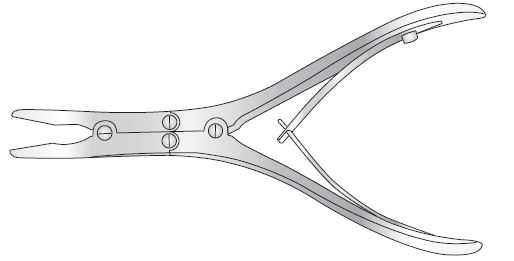
1. Bone Rongeurs
Bone Rongeurs are among the most frequently used orthopedic instruments for cutting, trimming, and removing small sections of bone.
Primary Functions
- Removing excess bone tissue
- Reshaping bone structures
- Creating access during orthopedic procedures
- Debridement of damaged bone
Key Advantages
- Precise bone removal
- Enhanced surgical control
- Available in straight and curved patterns
- Suitable for trauma and reconstructive surgery
Bone Rongeurs are commonly used in spinal surgery, trauma surgery, and joint reconstruction procedures.
2. Bone Curettes
Bone Curettes are specialized instruments designed for scraping, cleaning, and removing tissue from bone cavities.

Applications
- Bone biopsy procedures
- Debridement of infected tissue
- Cleaning bone defects
- Orthopedic tumor surgery
Benefits
- Precise tissue removal
- Reduced damage to surrounding structures
- Improved surgical visibility
Bone Curettes are essential instruments in both orthopedic and maxillofacial procedures.
3. Bone Osteotomes
Bone Osteotomes are cutting instruments used to divide or reshape bone during surgical procedures.
Common Uses
- Corrective bone surgery
- Joint reconstruction
- Bone graft procedures
- Osteotomy surgeries
Features
- Sharp beveled blade
- Durable surgical-grade construction
- Available in multiple widths
Orthopedic surgeons frequently use osteotomes when controlled bone cutting is required.
4. Bone Chisels
Bone Chisels are designed to cut, sculpt, and remove bone with precision.
Surgical Applications
- Bone contouring
- Orthopedic reconstruction
- Fracture management
- Joint surgery
Advantages
- Accurate bone shaping
- Excellent control
- High durability
Although similar to osteotomes, chisels are often used for heavier bone cutting applications.
5. Bone Elevators
Bone Elevators are used to lift and separate periosteum and soft tissue from bone surfaces.
Functions
- Tissue retraction
- Exposure of surgical sites
- Bone preparation procedures
- Orthopedic trauma surgery
Why Surgeons Use Them
- Improved visibility
- Reduced tissue trauma
- Enhanced surgical access
Bone Elevators are indispensable in many orthopedic and reconstructive procedures.
6. Bone Gouges
Bone Gouges feature a curved cutting edge designed to remove channels or grooves in bone.
Applications
- Bone graft harvesting
- Orthopedic reconstruction
- Joint surgery
- Corrective procedures
Benefits
- Controlled bone removal
- Smooth cutting action
- Precision shaping
Bone Gouges allow surgeons to create precise contours without damaging surrounding structures.
7. Bone Holding Forceps
Bone Holding Forceps are designed to grasp and stabilize bone fragments during surgery.
Primary Uses
- Fracture reduction
- Bone fixation
- Internal fixation procedures
- Orthopedic trauma surgery
Advantages
- Secure grip
- Stable bone positioning
- Improved surgical accuracy
These instruments are critical during procedures involving plates, screws, and fixation systems.
8. Bone Cutting Forceps
Bone Cutting Forceps combine gripping and cutting capabilities in a single instrument.
Applications
- Cutting small bone segments
- Bone remodeling
- Orthopedic corrections
Key Features
- Strong cutting jaws
- Durable construction
- Excellent leverage
They provide surgeons with efficient bone-cutting performance in confined surgical areas.
9. Bone Reposition and Reduction Forceps
These specialized forceps assist surgeons in aligning fractured bone segments before fixation.
Common Procedures
- Fracture repair
- Trauma surgery
- Orthopedic reconstruction
Benefits
- Accurate alignment
- Improved fixation outcomes
- Reduced surgical complications
Proper bone reduction is critical for successful healing and long-term patient recovery.
10. Bone Mallets
Bone Mallets are orthopedic instruments used to deliver controlled force during surgical procedures.
Applications
- Driving osteotomes
- Seating implants
- Bone preparation
- Orthopedic reconstruction
Advantages
- Controlled impact force
- Reduced instrument damage
- Improved surgical precision
Bone Mallets are available in various designs and materials depending on the surgical requirement.
Why High-Quality Orthopedic Instruments Matter
The performance of Top 10 Orthopedic Instruments Used in Surgery directly affects surgical efficiency and patient outcomes.
High-quality instruments provide:
- Greater precision
- Improved durability
- Better corrosion resistance
- Enhanced ergonomics
- Consistent clinical performance
Healthcare facilities increasingly prefer the Top 10 Orthopedic Instruments Used in Surgery manufactured according to international quality standards to ensure safety and long-term reliability.
Orthopedic Instrument Manufacturing in Pakistan
Pakistan, particularly Sialkot, has established itself as one of the world’s leading centers for surgical instrument manufacturing and Top 10 Orthopedic Instruments Used in Surgery production.
Key strengths include:
Skilled Craftsmanship
Generations of expertise in precision instrument production.
Advanced Manufacturing
Modern forging, machining, and finishing processes.
International Standards
Production aligned with global quality requirements.
Global Export Network
Supplying hospitals, distributors, and medical companies across Europe, North America, the Middle East, and other international markets.
Companies such as Amois International contribute to this growing reputation by manufacturing orthopedic surgical instruments and instrument sets designed for reliability, precision, and professional performance.
Future Trends in Orthopedic Instruments
The orthopedic industry continues to evolve through innovation and technological advancement.
Emerging trends include:
- Single-use orthopedic instruments
- Improved ergonomic designs
- Advanced stainless steel alloys
- Minimally invasive surgical tools
- Smart surgical technologies
- Customized orthopedic instrument sets
These developments are helping surgeons perform procedures more efficiently while improving patient safety and recovery outcomes.
Conclusion
The Top 10 Orthopedic Instruments Used in Surgery play a vital role in modern orthopedic procedures, ensuring precision, safety, and effective bone treatment.
From bone rongeurs to bone mallets, each instrument contributes to successful surgical outcomes.
With growing global demand, manufacturers like Amois International continue to supply high-quality orthopedic instruments that meet international standards and support healthcare systems worldwide.
Overall, the Top 10 Orthopedic Instruments Used in Surgery are essential for modern orthopedic surgical success.
Frequently Asked Questions (FAQs)
1. What are orthopedic instruments used for?
They are used in bone surgery, fracture fixation, and joint reconstruction.
2. Which are the top orthopedic instruments?
Bone rongeurs, osteotomes, chisels, forceps, and mallets.
3. Why is instrument quality important?
High-quality tools improve surgical precision and patient safety.
4. Where are orthopedic instruments manufactured?
Sialkot, Pakistan is a global manufacturing hub.
5. Who is Amois International?
A manufacturer of orthopedic surgical instruments and sets in Pakistan.
6. Are orthopedic instruments manufactured according to ISO standards?
Yes, many orthopedic instruments are manufactured under ISO 13485 quality standards.
